I was talking to a family member recently who was bummed out by, in essence, losing a couple of friends.
It was his own choice, which in some ways made it harder. Over the years, the friends had just become increasingly negative and cynical, to the point where being around them was an emotional drain. He eventually realized he’d stopped enjoying their company.
We talked about why cynicism is so appealing in the first place. Starting with the fact that the cynic seems kind of cool.
The cynic looks like they know how the world really works. It appears that they see through all the BS that everyone else falls for. While other people get excited about a new project, a new relationship, or a big goal, the cynic points out why they might fail. Because the cynic can’t be duped. They’ll never be the naive fool who got their hopes up only to have reality crush them.
It looks like intelligence, and it feels like it, too. The cynic can make a cryptic, negative comment on social media. They don’t need to explain much – their words might mean a number of things. If you don’t get it, you’re not smart or informed enough.
If they were hoping to teach someone, they’d explain. But explaining your reasoning, in detail, isn’t cool. And it makes you vulnerable to being wrong – a cynic’s worst fear.
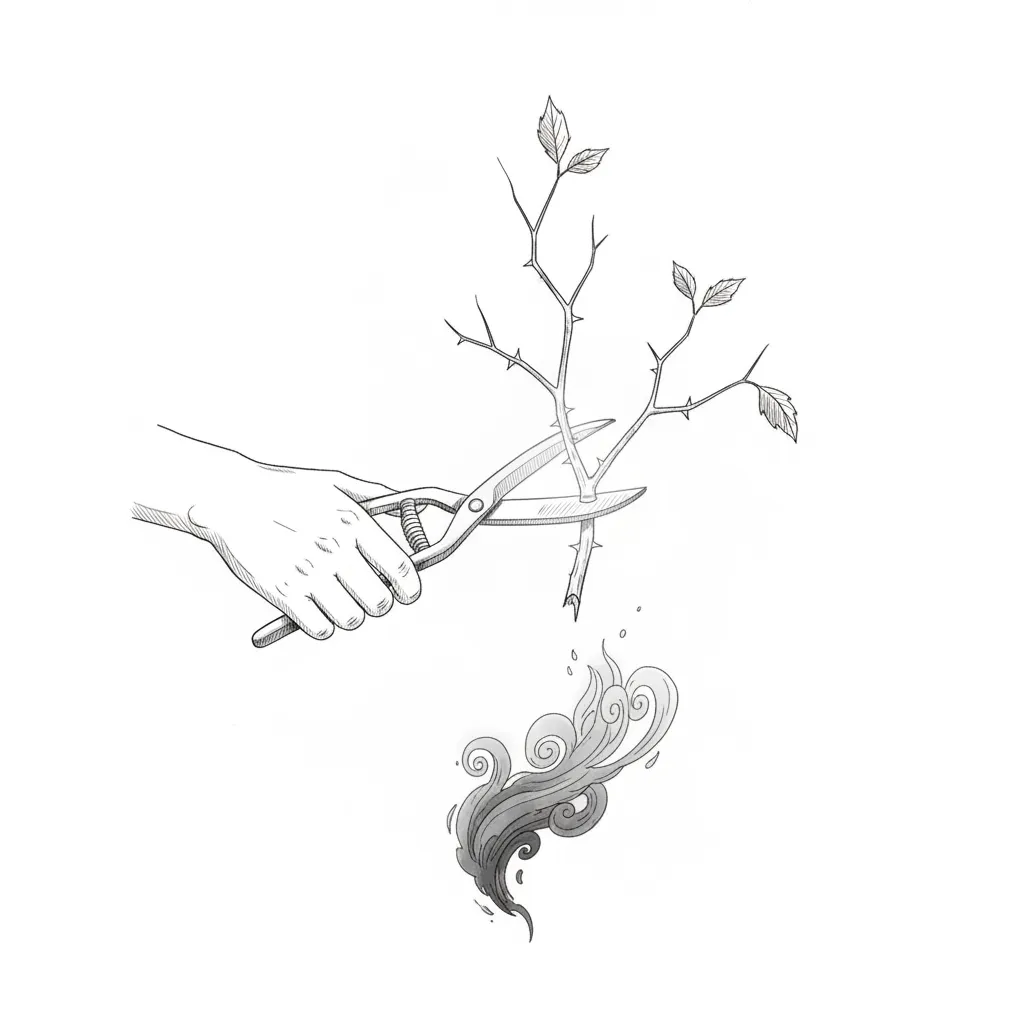
In my experience, cynicism rarely comes from a place of wisdom. It’s armor people put on when they’re unhappy, insecure, or terrified of being hurt by reality again.
And to be clear, being those things sometimes is part of life. I experience all of those feelings, too. I have my own defense mechanisms and bad habits.
Empty Calories
Like a lot of bad habits, cynicism provides empty emotional calories. (My bad habits include the real empty calories!)
When things aren’t going your way, rolling your eyes at the world or assuming bad intentions gives you a quick spike of relief. It numbs the sting of whatever you’re dealing with. For a short while, you get to feel superior. But that feeling doesn’t last. A few hours later, you're hungry again.
More importantly, it actively hurts your chances of success. It closes you off from taking sensible risks. It makes great people, like the guy I was talking to, not want to be around you. And it stops you from looking at your own life leaks with curiosity. They get obscured by the armor.
Now, I’m sure you could point to wildly successful cynics and say, "Look at them. They made a fortune, and they're super cynical."
First, plenty of people are cynical. Some succeed. I believe they succeed in spite of their cynicism rather than because of it. And maybe I’m wrong.
Second, there is a real difference between cynicism and seeing reality. Just like there is a difference between the snide comment and the desire to teach or create change.
The Downswing Shield
Anyway, to poker…
Hearing my relative talk about his situation made me think of another conversation I had recently.
In a recorded coaching call with Sergio, a Beyond The Game member and a killer poker player, we were talking about downswings.
When poker players go through extended downswings, they usually search for hope and positivity.
Sergio took a completely different approach.
In the middle of bad runs, he would lean completely into cynicism. He took on the attitude: This is going to keep happening. I'm never going to win again. I’m going to sit down, play, and get crushed. Let’s go.
He told me it worked for him. And Sergio is a winning high-stakes pro, which means I should take that seriously. (And I did.)
By convincing himself that losing was guaranteed, he killed his expectations. If you expect to lose every single pot, it softens the gut punch when the river brings another four-outer. It takes away the painful whiplash of false hope.
But as we got into it on our call, I pushed back. I pushed because I believed that his cynicism likely carried a cost. Yes, he avoided some pain. But to avoid that pain, he was surrendering preemptively. I didn’t think that was likely the best mindset to play with. (And, to be honest, I didn’t want to accept that pessimism was the best way forward.)
If you’d like to watch the full coaching conversation with Sergio, you can find it here:
When Poker Turns Against You (Heads Up w/ Phil Galfond #4)
Whenever I feel that cynical reaction starting to creep in – whatever the arena – I try to stop and ask myself a question:
What is this protecting me from?
As a curious person, it works well for me. I’d encourage you to try it out.